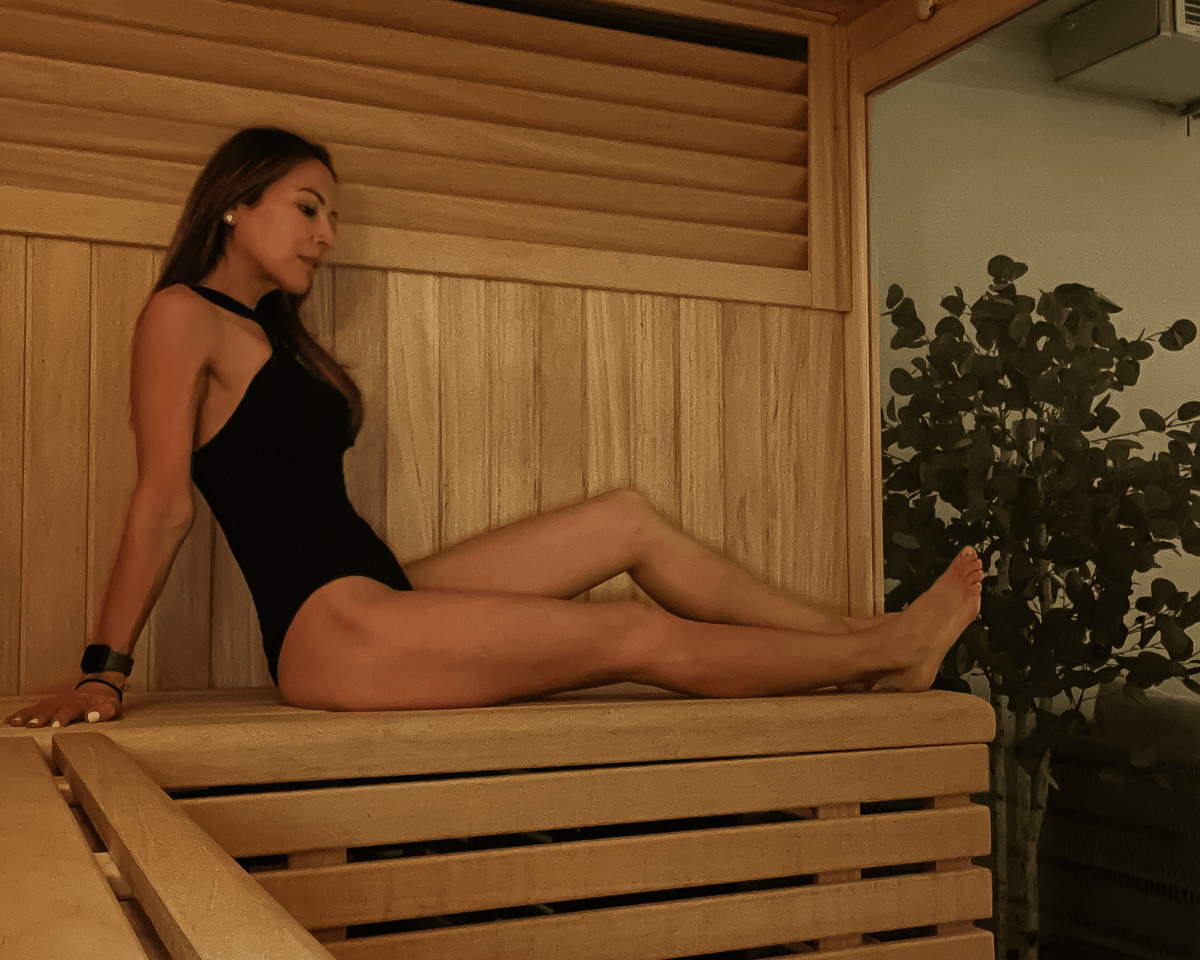


Sauna and cold plunge routines can feel great as part of a recovery ritual, but the skincare around them does not need to be complicated. Heat, heavy sweating, cold exposure, and repeated temperature changes can leave some people feeling flushed, tight, or dry. The most useful skincare response is simple: remove buildup gently, replace moisture, and avoid piling on irritating products when skin already feels stressed.
There is also an important distinction between wellness claims and skin science. Sweating is primarily how the body regulates temperature. It is not a meaningful “detox” pathway for your skin, and you do not need to force more sweating to cleanse your body.
What Sauna and Cold Exposure Actually Do to Skin
Sauna heat raises skin temperature and increases sweating. That can temporarily increase facial flushing and can leave skin feeling dry or tight if you lose a lot of fluid or repeatedly expose your face to intense heat.
Cold exposure causes blood vessels near the skin surface to constrict temporarily. Some people notice short-term changes in redness or puffiness, but direct research on cold plunges as a skincare treatment is limited. Cold exposure should not be treated as a substitute for a barrier-supportive routine.
If your skin is reactive, the bigger issue may be the temperature swing itself. People prone to rosacea or heat-triggered flushing can find sauna temperatures uncomfortable, while very cold exposure may also feel irritating.
Before Sauna + Cold Plunge
Keep the routine light
You do not need a special four-step pre-sauna routine. If you are wearing makeup, heavy sunscreen, or a lot of product, gently cleanse first. If your skin is already clean and comfortable, adding more products just before intense heat is not automatically better.
Be cautious with irritating actives
If retinoids, exfoliating acids, strong vitamin C formulas, or other actives tend to make your skin sting or flush, consider using them at a different time rather than immediately before a hot sauna. This is about individual tolerance, not a universal rule that everyone must stop actives for a set number of hours.
Hydrate normally
Drink fluids according to your usual hydration needs, especially if you will be sweating heavily. On the skin, a lightweight hydrating serum can be useful if you already feel dry, but there is no need to coat the face in heavy occlusive layers before entering a hot room.
During Sauna and Cold Plunge
- Do not scrub your face: sweat does not need to be scrubbed out of the skin. Pat gently if needed.
- Avoid very hot water on the face: adding more heat can increase dryness and irritation.
- Pay attention to persistent burning or flushing: discomfort is a reason to stop, shorten the session, or lower the temperature.
- Keep towels and hands clean: especially if you are touching your face between rounds.
Post-Sauna + Plunge: The Recovery Window
There is no scientifically defined 30- or 60-minute “make-or-break” window for the skin barrier. The practical goal is simply to avoid leaving sweat, sunscreen, makeup, and other residue sitting on the skin for longer than necessary.
- Rinse or cleanse gently. If you are sweaty or wearing sunscreen, use lukewarm water and a mild cleanser such as The Clean Slate 2.0.
- Pat, do not rub. A clean towel and gentle pressure are enough.
- Replace moisture. Apply a lightweight hydrating serum such as The Quench if skin feels tight or depleted.
- Add moisturizer if you need it. Drier skin may benefit from a cream after the serum. Oilier skin may be comfortable with a lighter routine.
- Use sunscreen if you are heading outside. Sauna and cold plunge do not replace UV protection.
Does Sauna Detox Your Skin?
No. Sweat is mostly water and electrolytes, and sweating is primarily a cooling mechanism. Your liver and kidneys do the majority of the body's work of processing and eliminating waste. Sauna can be part of a wellness routine, but “sweating out toxins” is not a good reason to change your skincare or push yourself to sweat more.
Does Cold Plunging Improve the Skin Barrier?
Cold exposure may temporarily change blood flow at the skin surface, but there is not strong evidence that a cold plunge directly repairs the skin barrier. If your skin feels dry or reactive after contrast therapy, gentle cleansing and moisturization are more reliable ways to support comfort and hydration.
Who Should Be More Careful With Contrast Therapy?
If you have rosacea, eczema, very reactive skin, or an actively irritated barrier, heat and temperature extremes may aggravate symptoms. Keep sessions conservative and stop if your skin becomes painful or persistently inflamed. If you are managing a diagnosed skin condition, a dermatologist can help you decide whether sauna or cold exposure fits your routine.
A Simple Sauna Skincare Routine
Before
- Remove makeup or heavy product buildup if needed.
- Keep skincare minimal.
- Skip anything that you already know makes your skin more reactive in heat.
After
- Gently cleanse or rinse away sweat and residue.
- Apply lightweight hydration.
- Moisturize according to your skin type.
- Use sunscreen if it is daytime.
If heated workouts are part of your routine too, see our Hot Pilates skincare guide for a sweat-focused before-and-after routine.
Sauna + Cold Plunge Skincare: The Bottom Line
The best routine around sauna and cold plunge is less about adding special products and more about avoiding unnecessary stress. Keep cleansing gentle, replenish moisture, skip harsh scrubbing, and do not confuse heavy sweating with detoxification.
If your skin consistently feels tight, red, or uncomfortable after contrast therapy, that is useful feedback. Adjust the temperature, shorten the exposure, simplify the skincare around it, and prioritize comfort over the ritual.