

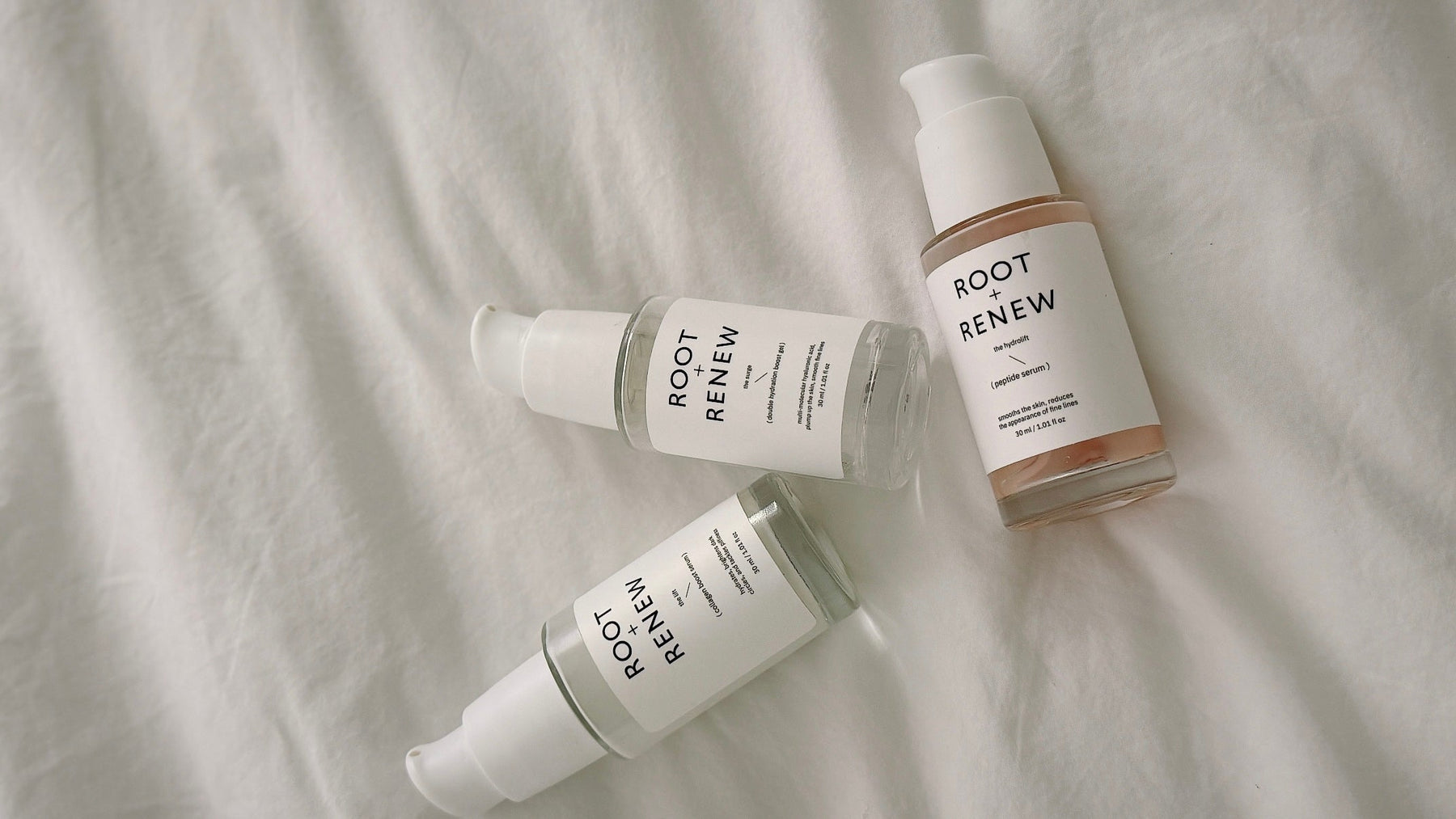
A minimalist skincare routine is not a promise that fewer products are automatically better for every person. It is a way to build around the steps that have a clear job, then add targeted products only when they solve a specific problem for you.
For most routines, the foundation is simple: cleanse when needed, moisturize according to your skin, and use broad-spectrum sunscreen during the day. Serums, toners, exfoliants, eye products, and other treatments are optional additions.
What Is a Minimalist Skincare Routine?
Minimalist skincare means using the fewest steps needed to meet your current goals without turning the routine into a product checklist. It can be especially useful if you are overwhelmed by layering, travel often, work out regularly, or are trying to identify what is irritating your skin.
Minimalism does not mean ignoring a diagnosed skin condition or abandoning a treatment prescribed by a dermatologist. It means separating foundational care from optional extras.
The Three Foundational Jobs
1. Cleanse when you need to
Cleansing removes sunscreen, makeup, sweat, oil, and daily buildup. You do not need to chase a squeaky-clean feeling, and not everyone needs the same cleansing frequency.
If you need a daily cleanser, The Clean Slate 2.0 is Root + Renew’s foam cleanser.
2. Moisturize according to your skin
Moisturizer can help increase hydration, soften the outer skin layer, and reduce water loss. Dry skin may prefer richer textures, while oilier skin may prefer lighter ones. The best moisturizer is one your skin tolerates and you will use consistently.
3. Protect exposed skin from UV
Broad-spectrum sunscreen is the key daytime step when UV exposure is relevant. The American Academy of Dermatology recommends broad-spectrum, water-resistant SPF 30 or higher.
Where Does Serum Fit?
A serum is an optional targeted step. Choose it because you want a specific benefit, not because every routine needs one.
- For lightweight hydration: The Quench can be used as an optional hydrating layer.
- For antioxidant support and uneven-looking tone: The Healthy Glow is the targeted vitamin C option.
- For a peptide-focused routine: The Rebound is the peptide option.
You do not need all three. Pick the one that matches the goal you are prioritizing.
Minimal Morning Routine
- Cleanse or rinse if needed. Some people prefer cleanser in the morning; others are comfortable with water alone.
- Add one optional targeted serum. Skip this step if you do not need it.
- Moisturize if needed.
- Finish with broad-spectrum sunscreen.
A morning routine does not need a toner, multiple serums, an eye cream, a separate “barrier booster,” and an exfoliant just to count as complete.
Minimal Night Routine
- Cleanse. Remove makeup, sunscreen, and daily buildup. A second cleansing step is only useful when one cleanse does not remove what you are wearing.
- Use one optional treatment or hydrating step. Follow the directions for that product.
- Moisturize according to your skin.
Nighttime is not the only time skin carries out repair processes, and you do not need a special “night repair” product simply because it is evening.
Do You Need Toner?
No. Modern facial skin does not need toner simply to “rebalance pH” after every cleanse. Toner can be a pleasant optional hydrating or treatment step depending on its formula, but it is not a foundational requirement.
If you are mainly confused about layering, see our skincare product order guide.
Do You Need Eye Cream?
Not automatically. Some people like a dedicated eye-area product because of texture or a specific ingredient, while others use a well-tolerated facial moisturizer around the orbital area. Persistent swelling, irritation, or discoloration can have causes that cosmetics will not resolve.
What About Exfoliation?
Exfoliation is optional. AHAs and other exfoliants can be useful for specific texture or pigmentation goals, but more frequent exfoliation is not inherently healthier. If your routine already contains several potentially irritating actives, adding another exfoliant can make it harder to identify what your skin tolerates.
Read our AHA guide for a more careful approach.
How to Simplify an Overloaded Routine
- Keep any medically necessary or dermatologist-directed treatment.
- Identify your cleanser, moisturizer, and sunscreen.
- Choose one optional targeted product based on your main cosmetic goal.
- Remove duplicate products that serve the same job.
- Introduce changes one at a time so you can tell what helps or irritates.
Minimalist Skincare for Workouts and Travel
Your routine does not need a separate product family for an active day. After sweating, manage buildup and friction gently rather than assuming sweat has “damaged” your barrier. When traveling, familiar products are often easier to tolerate than experimenting with several new ones.
See our post-workout routine and post-flight guide for those specific situations.
Frequently Asked Questions
Is a three-step skincare routine enough?
It can be. A cleanser, moisturizer, and sunscreen can cover foundational care for many people, with treatments added only for specific goals.
Do I need a serum?
No. A serum is an optional targeted category. If you want one, choose by the concern you are addressing.
Can oily skin skip moisturizer?
Some people with oily skin prefer very light moisturizers or may find another leave-on product provides enough comfort. If your skin feels tight, dry, or irritated, reconsider the texture rather than assuming oily skin never needs moisturizer.
Can I use the same routine morning and night?
The routines can be very similar. The main daytime difference is sun protection, while evening cleansing often needs to remove sunscreen, makeup, and the day’s buildup. See our morning vs. night guide.
The Bottom Line
A minimalist skincare routine is not about hitting an arbitrary number of products. It is about knowing what each step is doing. Start with foundational care, add one targeted product when it has a clear purpose, and skip categories that are not solving a problem for you.
If you are unsure which Root + Renew step is most relevant, take the 60-second routine quiz.


