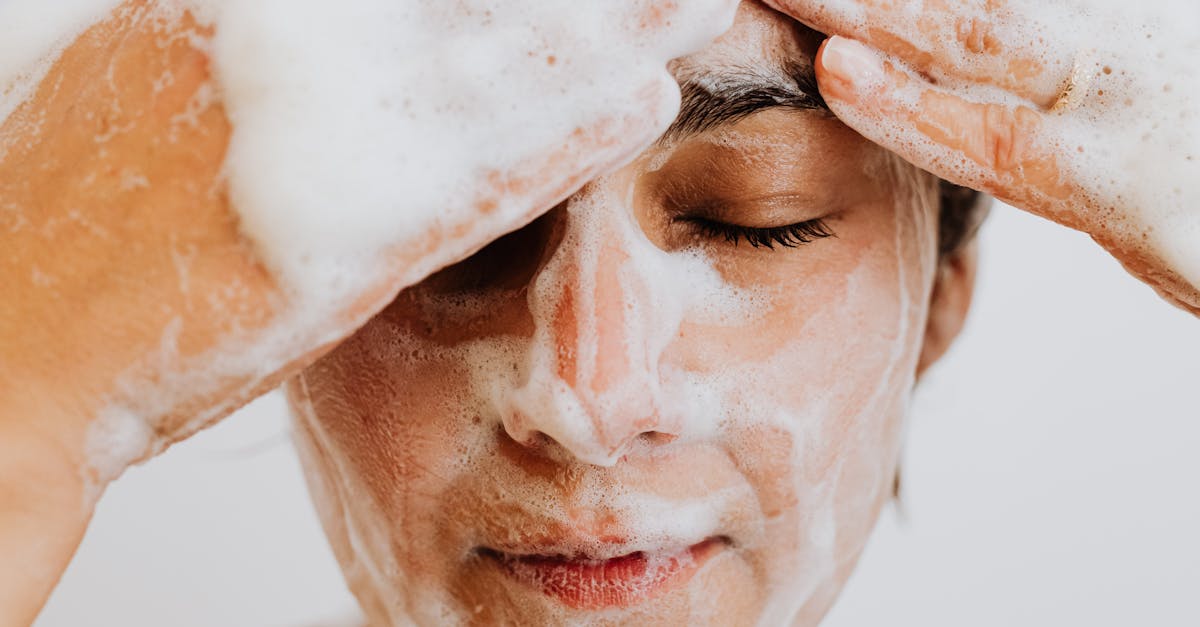


If your face regularly feels tight, stingy, or uncomfortable after washing, your cleanser may not be a good match for your skin. That does not automatically prove that your skin barrier is “damaged,” but it is useful feedback that the product, water temperature, washing frequency, or the rest of your routine may be too irritating.
Sensitive skin is not one single skin type. People with eczema, rosacea, acne treatments, contact allergies, dry skin, or simply a lower tolerance for certain formulas can all describe their skin as sensitive. The goal is not to find a cleanser labeled with the strongest “barrier repair” language. It is to find one that removes what you need to remove without repeatedly leaving your skin uncomfortable.
What Makes a Cleanser Gentle?
Facial cleansers use surfactants to loosen oil, sunscreen, makeup, and other buildup so they can be rinsed away. Surfactants differ in their chemistry, and finished formulas often combine several types to balance cleansing, foam, rinse-off, texture, and mildness.
This is why ingredient shortcuts can be misleading. A cleanser is not automatically harsh because it foams, and it is not automatically gentle because it is a gel, cream, or “natural” formula. The overall formulation and how your skin responds matter more than the marketing category.
Signs a Face Wash May Not Suit Your Skin
Pay attention to patterns rather than diagnosing your skin from one symptom. A cleanser may be worth reconsidering if you repeatedly notice:
- persistent tightness or dryness after rinsing
- stinging or burning during or after cleansing
- new roughness or flaking that improves when you reduce washing
- redness or irritation that consistently follows cleansing
- a strong urge to scrub or wash again because the product leaves residue
These symptoms can also come from other skin conditions or products, so they do not prove the cleanser is the only cause. If irritation is persistent, painful, itchy, or worsening, a dermatologist can help identify what is actually happening.
Is a Foaming Cleanser Too Harsh for Sensitive Skin?
No. Foam is a sensory property, not a diagnosis of how irritating a product will be. Some surfactants lather more than others, and modern cleansers can be formulated with combinations designed to improve mildness.
The better question is how the finished cleanser performs on your skin. Does it remove sunscreen, sweat, and makeup without leaving you consistently tight or irritated? If yes, the fact that it foams is not a problem by itself.
What Should Sensitive Skin Look for in a Cleanser?
There is no universal ingredient blacklist, but a few practical filters can make selection easier:
- Mild facial cleansing: choose a product intended for the face rather than substituting body soap or shampoo.
- Fragrance-free when fragrance bothers you: people with reactive skin or fragrance allergy may prefer fragrance-free products. “Unscented” does not always mean fragrance-free.
- A texture you will use gently: creams, gels, and foams can all work. Avoid aggressive scrubs or cleansing tools when your skin is already irritated.
- A comfortable post-wash feel: your skin should not need to feel squeaky to be clean.
- Simple enough to evaluate: if your skin is reacting, changing several products at once makes it harder to identify the problem.
How Often Should You Wash Sensitive Skin?
There is no single schedule for everyone. The American Academy of Dermatology generally recommends gentle facial cleansing and washing after sweating. Very dry or reactive skin may tolerate less cleansing than oily or acne-prone skin.
If your skin is comfortable in the morning without cleanser, a lukewarm-water rinse may be enough for some people. At night, cleansing is useful when you need to remove sunscreen, makeup, sweat, or daily buildup.
After a workout, wash when reasonably practical if you are sweaty, wearing sunscreen or makeup, or prone to workout-related breakouts. There is no evidence-based universal “10-minute rule” that applies to everyone.
How to Wash Your Face More Gently
- Use lukewarm rather than very hot water.
- Apply cleanser with clean fingertips instead of scrubbing with a rough cloth or brush.
- Massage gently only as long as needed to remove buildup.
- Rinse thoroughly.
- Pat dry with a clean towel instead of rubbing.
- Apply moisturizer while skin is still slightly damp if you are prone to dryness.
Where The Clean Slate 2.0 Fits
The Clean Slate 2.0 is Root + Renew’s foam cleanser for removing sweat, sunscreen, makeup, and everyday buildup. It is designed to keep the cleansing step straightforward rather than adding multiple cleansers by default.
Because sensitivity is individual, no cleanser should be described as guaranteed safe for every person with “sensitive skin.” If you are highly reactive, patch-testing new products and introducing one change at a time can make it easier to identify what you tolerate.
What Should You Apply After Cleansing?
If your skin is dry or sensitive, moisturizer is often the most useful next step. Moisturizers can help increase hydration and reduce water loss from the outer skin layer.
A hydrating serum is optional. If you prefer a lightweight extra hydration layer, The Quench can be used before moisturizer. It should not be treated as a medical “barrier repair” treatment or as a required step for everyone.
For a deeper explanation of hydration versus moisturization, see our hydrating serum guide. If you want to understand the skin barrier itself, see our skin barrier care guide.
Ingredients You Do Not Need to Fear Automatically
Skincare advice often reduces formulas to long “avoid” lists. That can be misleading.
For example, the presence of a particular surfactant, preservative, fatty alcohol, or foam-producing ingredient does not tell you by itself whether a finished cleanser will irritate your skin. Concentration, combination with other ingredients, pH, contact time, and the full formula all matter.
If you know you have a diagnosed allergy or a dermatologist has told you to avoid a specific ingredient, follow that guidance. Otherwise, your own tolerance and the finished product are more useful than fear-based ingredient lists.
When to Simplify the Rest of Your Routine
If cleansing suddenly stings and several other products do too, consider temporarily removing obvious irritants such as scrubs or optional exfoliating actives rather than adding a long list of “repair” products.
Keep cleansing gentle, moisturize, use sunscreen when UV exposure is relevant, and reintroduce optional products one at a time once your skin feels comfortable. There is no guaranteed number of days that every person’s skin should take to recover.
Frequently Asked Questions
Does post-wash tightness mean my skin barrier is damaged?
Not necessarily. Tightness can be a sign that a cleanser, hot water, frequent washing, dry weather, or another part of your routine is leaving skin too dry. Persistent symptoms deserve a broader look rather than an automatic “damaged barrier” diagnosis.
Is a gel cleanser gentler than a foam cleanser?
Not automatically. Texture and foam do not determine mildness on their own. The complete formula and your skin’s response matter more.
Should sensitive skin avoid all fragrance?
If fragrance irritates you, or if you have a fragrance allergy or a condition for which your dermatologist recommends fragrance-free care, choosing fragrance-free products is sensible. Not everyone reacts to the same ingredients.
Can I wash my face after every workout?
If you sweat heavily or need to remove sunscreen and makeup, cleansing after exercise can be useful. Use a mild cleanser and avoid turning frequent washing into repeated scrubbing. If your skin becomes dry, adjust the frequency or speak with a dermatologist.
Do I need a serum after cleansing?
No. A serum is optional. Dry or sensitive skin often benefits from moisturizer, while a hydrating serum can be added if you want another lightweight hydration layer.
The Bottom Line
A gentle cleanser is one that removes what your skin needs removed without consistently leaving it tight, rough, or irritated. Do not judge mildness by foam, “clean” marketing, or a single ingredient alone.
Keep the cleansing step simple, pay attention to how your skin responds, and use moisturizer when dryness calls for it. If sensitivity is persistent or difficult to manage, a dermatologist can help determine whether there is an underlying condition.
If you are trying to figure out which steps belong in your routine, build your Root + Renew routine.